A New Chapter for Geographical and Spatial Literary Studies: Committee Inauguration and Journal Launch Ceremony Held at Zhejiang University of Technology
On June 6, 2026, Zhejiang University of Technology hosted two significant events for the field of literary geography and spatial studies: the inauguration of the Geographical and Spatial Literary Studies Committee under the China Comparative Studies of Languages and Cultures Association and the launch ceremony of the International Journal of Geographical and Spatial Studies (JGSS). Held in a hybrid format, the event brought together more than 200 scholars and researchers from leading universities and institutions in China and abroad, including Fudan University, Zhejiang University, Nanjing University, East China Normal Uiversity, Beijing Foreign Studies University, Nankai University, Shandong University, Sichuan University, Southwest University, Xiamen University, Shenzhen University, Zhejiang Normal University, and the University of Santo Tomas in the Philippines.
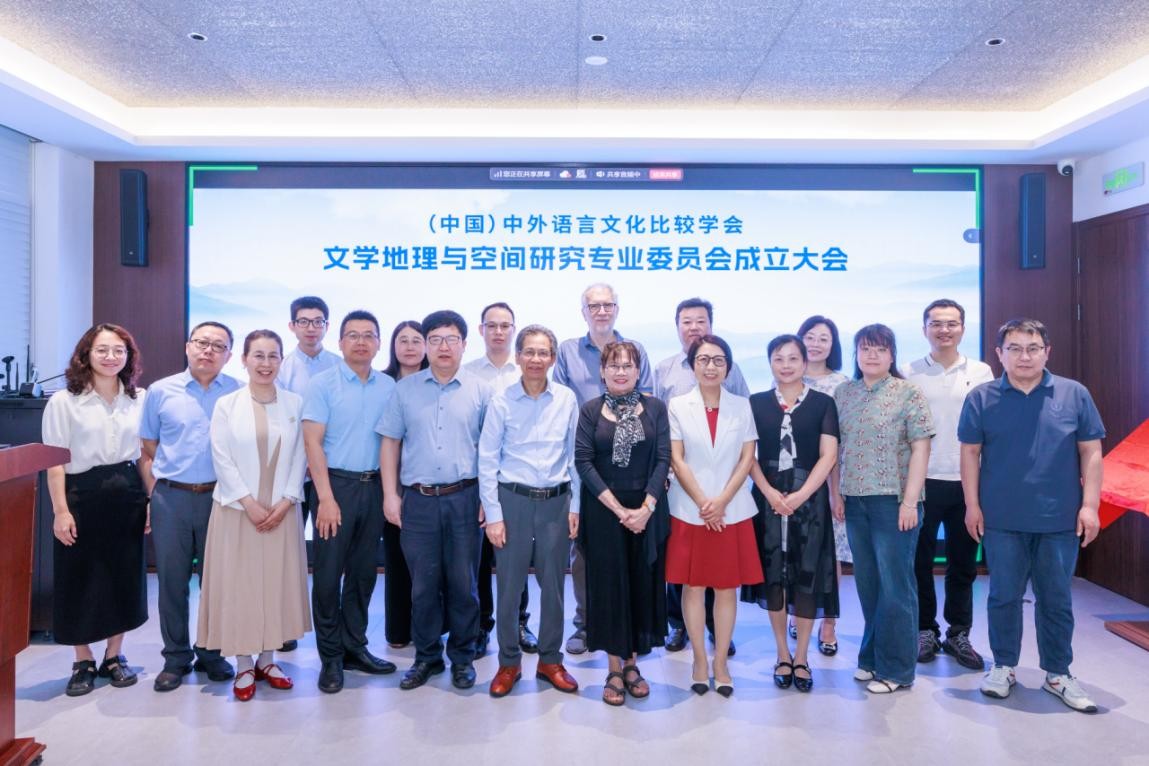
The event began with the inauguration of the Geographical and Spatial Literary Studies Committee. In his opening remarks, Professor WU Di, President of the China Comparative Studies of Languages and Cultures Association, congratulated the organizers on both the establishment of the committee and the launch of the journal, expressing his confidence that the new academic platform would strengthen interdisciplinary collaboration and contribute to the future development of the field. Professor MEI Xinlin, Chair of the newly established committee and Director of the Southern Song Capital Research Institute at Zhejiang University of Technology, presented the committee’s academic vision and future objectives. Reflecting on the global development of geography, cultural geography, and literary geography, he emphasized the need to develop a “New Literary Geography” grounded in an autonomous Chinese knowledge system. He outlined three major areas of work for the committee: advancing the theoretical, methodological, and discursive foundations of New Literary Geography; promoting research on related subfields and expanding its academic genealogy; and fostering comparative studies of literary-geographical spaces across cultures in order to develop Comparative Literary Geography as an emerging branch of scholarship.
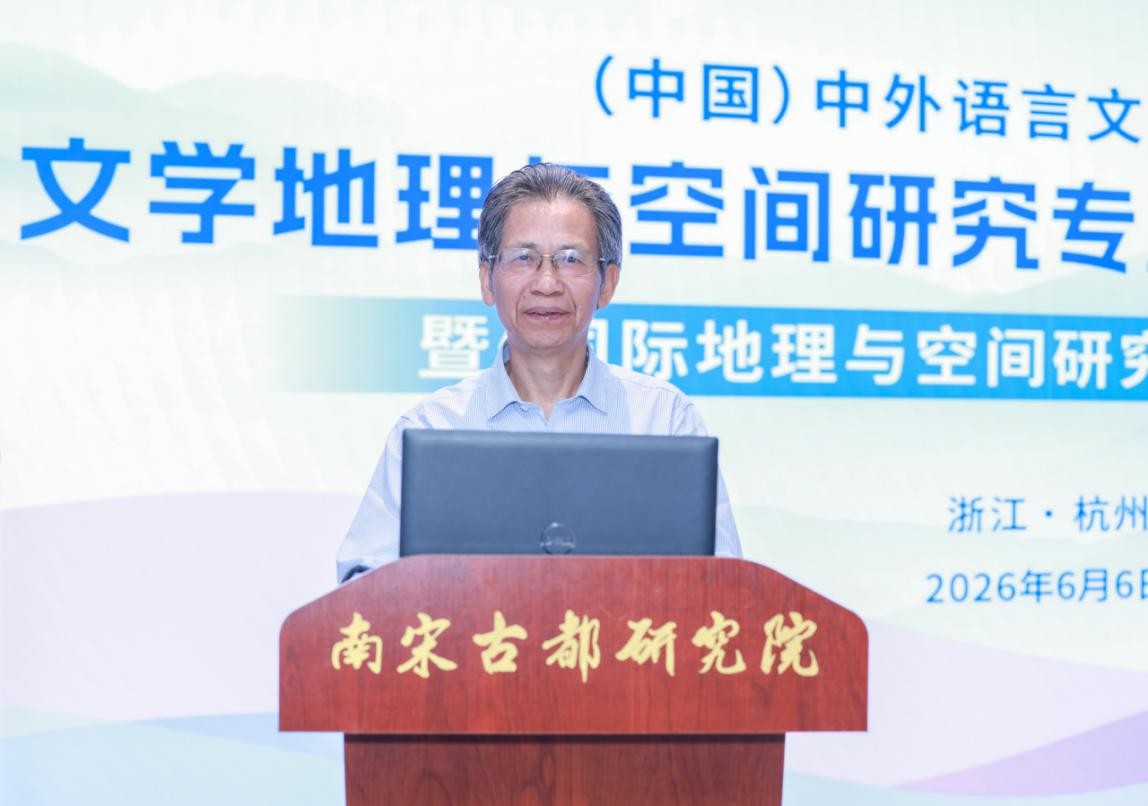
Professor MEI Xinlin, Chair of the Geographical and Spatial Literary Committee and Director of the Southern Song Capital Research Institute at Zhejiang University of Technology, delivering a speech.
During the ceremony, the membership roster of the committee was formally announced. The committee includes three senior academic advisors, twenty-one executive council members, and more than thirty council members representing a wide range of specialties, including literary geography, spatial criticism, digital humanities, and regional studies. The establishment of the committee marks an important step in the institutional development of literary geography and spatial studies in China and provides a new platform for scholarly exchange and international cooperation.
The second part of the event featured the launch ceremony of the International Journal of Geographical and Spatial Studies (JGSS). While the inaugural issue had already been printed before June 6, the ceremony marked its official public launch. Professor FANG Ying, Editor-in-Chief of the journal, introduced its goals, scope, and future development plans. Published by HIEP Press in Hong Kong, JGSS is a peer-reviewed academic journal dedicated to literary geography, spatial studies, and related interdisciplinary research. The inaugural issue contains fifteen articles covering theoretical exploration, textual criticism, interviews, and book reviews, with particular attention given to two emerging areas of research: Comparative Literary Geography and Archipelagic Literary Studies. Professor FANG noted that the journal would seek to advance the construction of New Literary Geography, encourage international academic dialogue, promote innovative research supported by emerging technologies such as artificial intelligence, and build a high-level platform connecting Chinese and international scholarship. She also expressed the journal’s commitment to publishing interviews with leading scholars and critical reviews of important new publications in order to reflect the latest developments in the field.
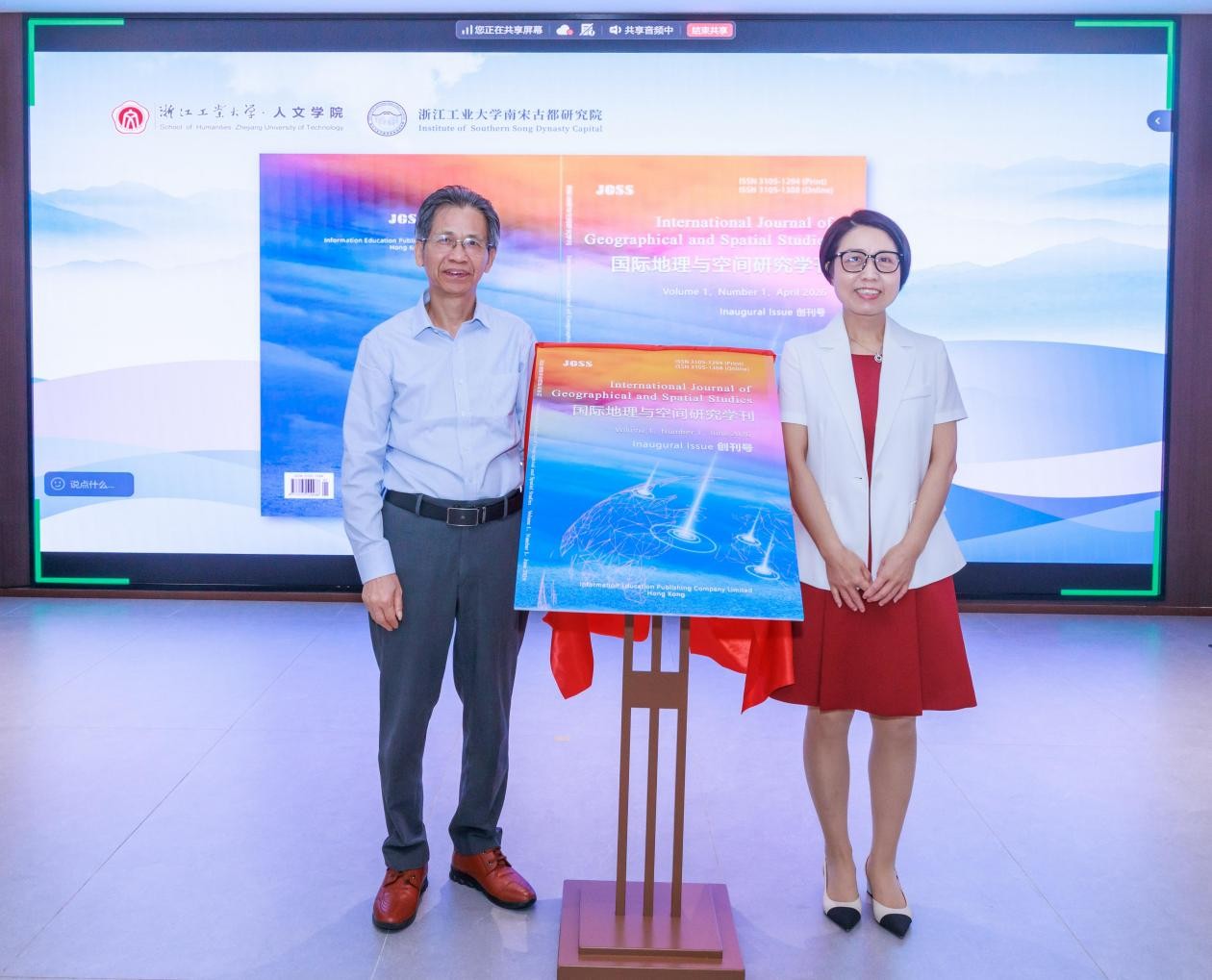
Professors MEI Xinlin and FANG Ying, Editors-in-Chief of the International Journal of Geographical and Spatial Studies, jointly unveiling the journal.
The launch ceremony was followed by congratulatory messages from distinguished scholars around the world. Professor Robert T. Tally Jr., Honorary Editor-in-Chief of the journal and Distinguished University Professor of English at Texas State University, expressed his appreciation for the establishment of the journal and for the efforts of its editorial team. Describing JGSS as “truly international in the best sense of the term,” he noted that its international character was reflected both in the diversity of its editorial advisory board, whose members come from around twenty countries, and in the global scope of its scholarly content. Looking ahead, he expressed confidence that “with this inaugural issue and in future issues, we will see some of the most interesting work being done, in China and across the entire world,” while also creating space for new and emerging directions in geographical and spatial studies.

Robert T. Tally Jr. of Texas State University delivering a speech.
Members of the journal's Editorial Board also shared congratulatory remarks, expressing their support for the journal and its future development. Péter Hajdu of Shenzhen University highlighted the close relationship between literary cartography and literary theory, noting that comparative literature has long been concerned with questions of space, mapping, borders, and cultural mobility. Referring to transregional approaches, he emphasized the importance of examining “the cultural, linguistic, and spatial mobilities” that transcend conventional national frameworks and open new perspectives for literary research. Professor Sandro Jung of Fudan University praised the creation of an international platform capable of showcasing valuable research across national and disciplinary boundaries. Professor Congratulatory messages were also delivered by a number of leading scholars, including Shang Biwu, Song Binghui, Su Hui, Zhou Min, and Zhu Guohua, all of whom welcomed the establishment of the committee and the launch of the journal as important developments for the field.
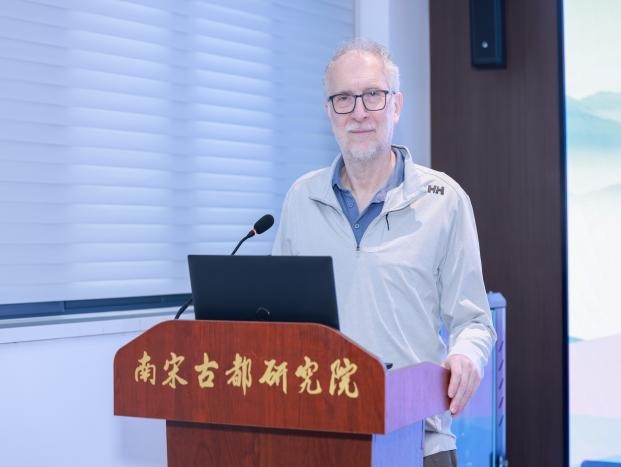
Péter Hajdu of Shenzhen University speaking at the event.
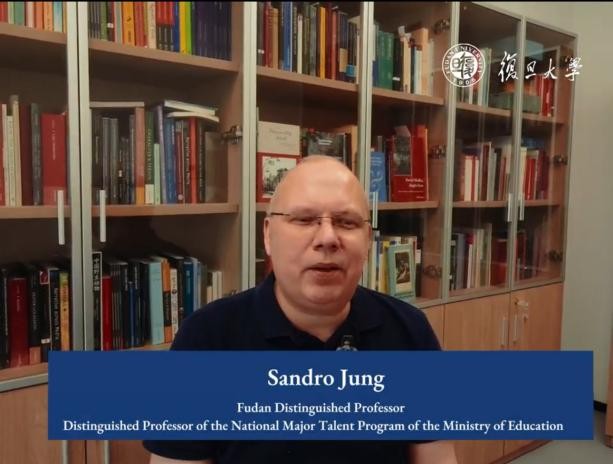
Sandro Jung of Fudan University delivering a speech.
The final session of the event consisted of keynote presentations by two internationally recognized scholars. Professor Maria Luisa T. Reyes, Honorary Editor-in-Chief of Kritika Kultura at the University of Santo Tomas, delivered a keynote address entitled “Archipelagic Literary Studies and Spatial Formation.” Drawing on Southeast Asian literary traditions, she argued that space actively shapes narrative development, ethical awareness, and intellectual formation. Through concepts such as “puwang” (“gap”) in Filipino and “ruang” (“domain” or “space”) in Indonesian, she demonstrated how local and non-Western conceptual frameworks can enrich contemporary discussions of literary geography and spatial studies. Her presentation highlighted the importance of expanding theoretical perspectives beyond established Euro-American models and contributed valuable insights into emerging approaches to spatial literary research.
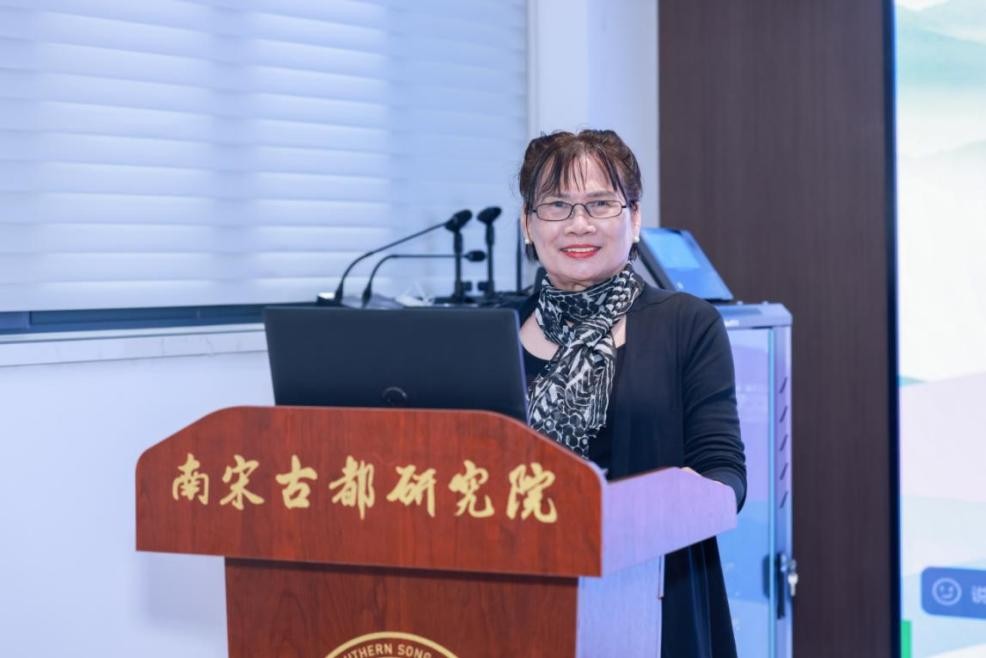
Maria Luisa T. Reyes of the University of Santo Tomas in the Philippines delivering a keynote address.
The second keynote address was delivered by Professor XU Yongming, Director of the Digital Humanities Research Center at Zhejiang University, under the title “The Yun Siku Data Map and the Construction of Structured Geographic Information Data.” Demonstrating the capabilities of the Yun Siku Data Map platform, he showcased a range of digital humanities applications, including dynamic visualization of historical figures’ movements, AI-assisted question answering, geographical exploration, and timeline-based research tools. He also illustrated how researchers can automatically generate trajectory maps and heat maps from structured geographic data, offering new possibilities for digital approaches to literary and cultural geography.
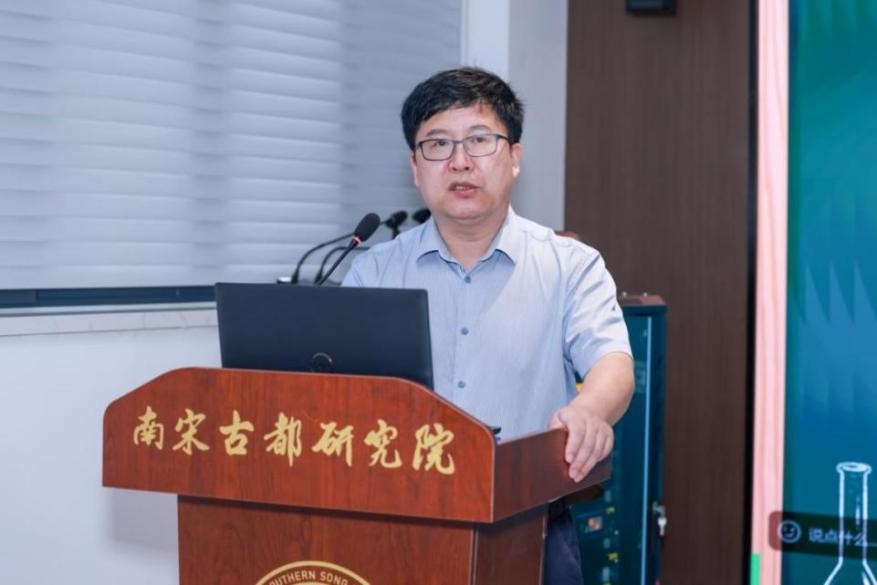
Professor XU Yongming, Vice Chair of the Committee and Director of the Digital Humanities Research Center at Zhejiang University, giving a keynote speech.
The successful inauguration of the Geographical and Spatial Literary Studies Committee and the launch ceremony of the International Journal of Geographical and Spatial Studies mark a new stage in the development of literary geography and spatial studies in China. By providing both an institutional framework and an international publication platform, these initiatives are expected to promote scholarly collaboration, encourage interdisciplinary innovation, and strengthen dialogue between Chinese and global academic communities.
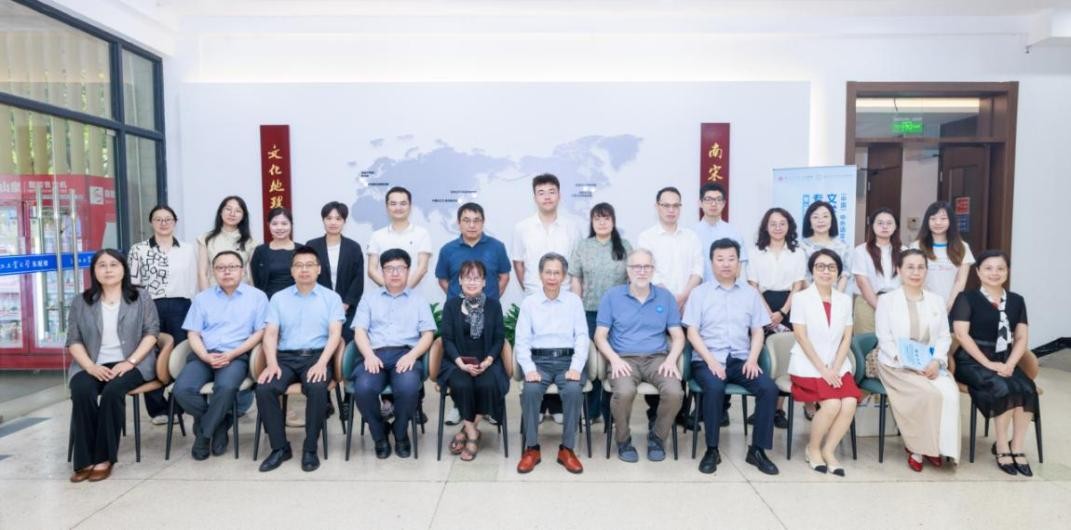
Group Photo